Blog

  • How to Choose a Specialist for European Car Repairs

    How to Choose a Specialist for European Car Repairs

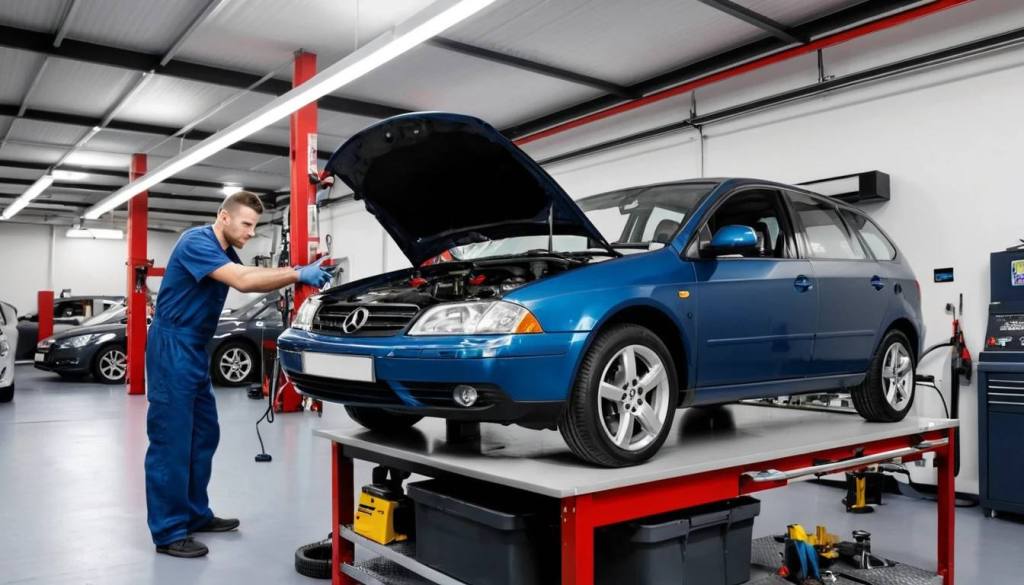
    European car repairs require specific knowledge and skills that not every mechanic has. These vehicles often have unique designs, advanced systems, and specialized parts. Choosing the right specialist ensures your car gets the correct service and avoids costly mistakes. This guide explains how to find a reliable expert for European car repairs.

    Understand the Needs of European Car Repairs

    European cars often have engineering differences compared to other vehicles. They may use different technology, require specific diagnostic tools, and need parts that are not common in standard repair shops. A specialist understands these requirements and can handle the job correctly.

    Why Experience Matters

    A mechanic who has worked on European cars will recognize common issues quickly and repair them more efficiently. Their specialized experience ensures they understand the unique engineering, technology, and design elements of each model. This means they know exactly which parts and techniques to use, reducing trial and error. As a result, the repairs are completed faster, with greater accuracy, and with minimal risk of recurring issues.

    For car owners seeking expert service for their European vehicles, Torrance Motors is a trusted choice. Known for its skilled team and commitment to quality, the workshop specializes in diagnosing and repairing a wide range of European makes and models. By using genuine parts and proven repair methods, they ensure long-lasting performance and customer satisfaction. Choosing an experienced specialist not only improves the quality of the repair but also helps maintain the value and reliability of your car.

    The Role of Specialized Tools

    European car repairs often require unique tools. These tools help diagnose problems accurately and allow for precise repairs. A shop without the right tools may not be able to fix the issue correctly, which can lead to further problems.

    Research Local Specialists

    Finding a specialist starts with research. Look for shops or mechanics in your area that focus on European car repairs. You can search online, ask for recommendations, or check automotive forums.

    Use Online Reviews

    Customer reviews give insight into the quality of service. Pay attention to feedback about accuracy, communication, and turnaround time. Consistent positive reviews can be a good sign of reliability.

    Ask for Referrals

    Friends or family who own European cars can recommend trustworthy specialists. Personal referrals can save time and help you avoid poor service.

    Check Credentials and Certifications

    A qualified specialist should have relevant certifications. These may include training from European car manufacturers or industry organizations. Certifications show that the mechanic has the skills needed for specific repairs.

    Manufacturer Training

    Some specialists receive direct training from car manufacturers. This ensures they understand the brand’s standards and can perform repairs according to official guidelines.

    Industry Certifications

    Look for certifications from respected automotive organizations. These credentials indicate professional knowledge and commitment to quality work.

    Visit the Repair Shop

    Before making a decision, visit the repair shop in person. This allows you to see the facilities, meet the staff, and ask questions.

    Evaluate Cleanliness and Organization

    A clean, organized shop often reflects the quality of work. If tools are stored properly and the environment is tidy, it shows attention to detail.

    Observe Equipment

    Check if the shop has modern diagnostic machines and specialized tools for European car repairs. Outdated or missing equipment could mean the shop is not equipped for your vehicle.

    Ask the Right Questions

    Asking questions helps you judge the specialist’s knowledge and service quality.

    Key Questions to Ask

    • How long have you been working on European cars?
    • Do you have manufacturer-specific training?
    • What diagnostic tools do you use?
    • Can you provide a written estimate before starting repairs?
    • What warranty do you offer on repairs and parts?

    Understand Their Process

    A good specialist will explain the repair process clearly. They should tell you what the problem is, how they will fix it, and how long it will take.

    Compare Costs and Value

    While cost is important, it should not be the only factor. Cheap repairs may save money in the short term but cause more problems later.

    Get Multiple Estimates

    Request estimates from different specialists. Compare them to see the average price for the repairs you need.

    Consider the Value of Quality

    High-quality repairs may cost more but will likely last longer and prevent future issues. A skilled specialist can save you money over time by avoiding repeated breakdowns.

    Look for Warranties and Guarantees

    A warranty shows that the specialist stands by their work. It also protects you if the repair fails after you leave the shop.

    Types of Warranties

    Some shops offer warranties on both parts and labor. Others may only cover labor. Always ask for the warranty details in writing.

    Build a Long-Term Relationship

    Finding a trustworthy specialist for European car repairs is not just about a single visit. A long-term relationship can benefit both you and the mechanic.

    Consistent Service

    Using the same specialist means they become familiar with your car’s history. This helps them spot issues faster and recommend better solutions.

    Easier Communication

    Over time, you build trust and clear communication with your mechanic. This makes future repairs smoother and less stressful.

    Red Flags to Avoid

    Certain warning signs may suggest a specialist is not the right choice.

    Signs of a Poor Repair Shop

    • Lack of certifications
    • Refusal to provide written estimates
    • Poor communication or vague answers
    • Dirty or disorganized work areas
    • Consistently negative reviews

    Avoid shops with these issues to protect your vehicle and your budget.

    Final Thoughts

    Choosing a specialist for European car repairs takes time and research. Focus on experience, certifications, tools, and customer reviews. Visit the shop, ask questions, and compare estimates before deciding. The right specialist will provide quality repairs, protect your investment, and keep your car running smoothly for years.
  • How Does Automotive Window Tinting Improve Driving Comfort?

    How Does Automotive Window Tinting Improve Driving Comfort?

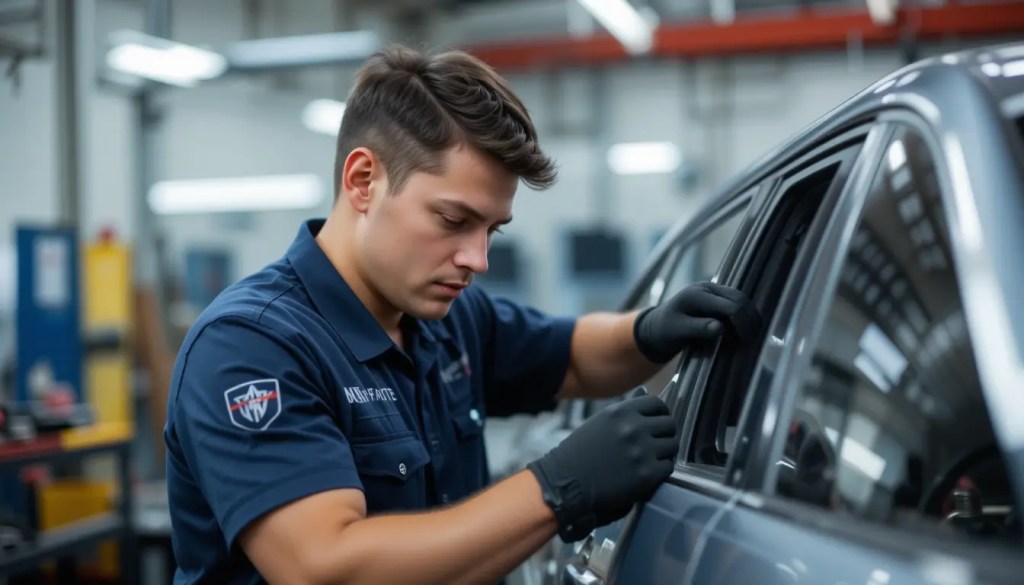
    Automotive window tinting involves applying a thin, transparent film to car windows. This film reduces sunlight and glare from entering the vehicle. Many drivers choose window tinting for better comfort and protection while driving.

    Tinted windows help maintain a cooler interior and protect passengers from harmful UV rays. Additionally, they improve privacy and reduce distractions caused by bright light. Understanding these benefits can help drivers make an informed decision about window tinting.

    Reducing Heat and Keeping the Interior Cool

    Blocking Solar Heat

    Window tinting reduces the amount of heat that enters the car by blocking solar energy. The film reflects and absorbs sunlight, preventing the interior from overheating. This makes driving more comfortable, especially during hot weather.

    By lowering the temperature inside the car, drivers rely less on air conditioning. This reduces fuel consumption and improves energy efficiency. As a result, the vehicle becomes more cost-effective and eco-friendly.

    Preventing Heat Damage to Car Interiors

    Excessive heat can take a toll on a car’s interior, affecting the dashboard, seats, and upholstery. Prolonged exposure to direct sunlight leads to fading, cracking, and deterioration of materials over time. Window tinting acts as a protective barrier by blocking harmful UV rays, preserving the car’s interior and extending its lifespan. By reducing glare and minimizing heat buildup, tinted windows create a more comfortable driving experience, especially in regions with intense sunlight.

    To maintain a vehicle’s interior and enhance driving comfort, OC Tint Solutions offers high-quality window tinting that helps regulate temperature and protect against sun damage. The film also prevents the steering wheel and seat belts from becoming uncomfortably hot, making the car safer and more pleasant to use. In addition to improving aesthetics, tinted windows add a layer of privacy and security, making them a valuable investment for any vehicle owner.

    Protecting Against Harmful UV Rays

    Reducing Skin Damage

    Window tinting blocks up to 99% of harmful ultraviolet (UV) rays. These rays can cause skin damage and increase the risk of skin cancer. By reducing UV exposure, tinted windows provide better protection for drivers and passengers.

    Long hours on the road can lead to sunburn and premature skin aging. Tinted windows act as a barrier, reducing these risks and enhancing overall safety.

    Preventing Eye Strain and Glare

    Bright sunlight and glare from other vehicles can strain the eyes and affect visibility. Window tinting reduces glare, allowing drivers to maintain clear vision on the road.

    This improves driving comfort and reduces fatigue during long trips. It also enhances safety by preventing sudden distractions caused by intense sunlight.

    Enhancing Privacy and Security

    Protecting Personal Belongings

    Tinted windows make it harder for outsiders to see inside the vehicle. This reduces the risk of theft by keeping valuable items out of sight.

    Drivers can park their cars in public areas with more confidence. The added privacy also protects passengers from unwanted attention.

    Increasing Safety in Accidents

    Window tinting film strengthens the glass, making it less likely to shatter during an accident. If the glass breaks, the film holds the pieces together, preventing injury from flying shards.

    This added layer of protection enhances passenger safety and reduces the risk of severe injuries in case of collisions.

    Improving Driving Experience

    Reducing Eye Fatigue

    Constant exposure to bright sunlight can lead to eye fatigue and headaches. Window tinting minimizes glare and bright light, allowing drivers to focus on the road.

    This reduces discomfort and improves concentration during long drives. It also creates a more relaxed and enjoyable driving experience.

    Enhancing Aesthetic Appeal

    In addition to practical benefits, window tinting improves the overall look of a vehicle. It gives the car a sleek and stylish appearance. Many drivers choose tinting to enhance their car’s design while enjoying the added comfort and protection.

    Complying with Legal Regulations

    Following Tinting Laws

    Different states have specific regulations regarding window tinting. These rules specify the allowable tint darkness and the windows that can be tinted.

    Drivers should check local laws before applying window tint to avoid fines and penalties. Professional installers can help ensure compliance with these regulations.

    Choosing the Right Tint Type

    There are various types of window tint films, such as dyed, metalized, and ceramic tints. Each type offers different levels of heat reduction, UV protection, and privacy.

    Selecting the right tint depends on the driver’s needs and budget. Consulting with an experienced installer ensures the best results and compliance with legal standards.

    Conclusion

    Automotive window tinting improves driving comfort by reducing heat, blocking harmful UV rays, and enhancing privacy. It also prevents interior damage and increases safety during accidents.

    By understanding the benefits of window tinting, drivers can make informed decisions and enjoy a safer, more comfortable driving experience.

  • How Professional Auto Detailing Enhances Your Car’s Value in Richmond VA

    How Professional Auto Detailing Enhances Your Car’s Value in Richmond VA

    Professional auto detailing improves a car’s appearance and protects its surfaces. It helps maintain the vehicle’s condition and increases its resale value. Detailing removes dirt, scratches, and contaminants that can damage paint and upholstery.

    Car owners in Richmond, VA, use detailing services to preserve their vehicles. The climate, road conditions, and daily use affect a car’s exterior and interior. Regular detailing prevents long-term damage and keeps the car looking new.

    Protecting the Car’s Exterior

    Removing Dirt and Contaminants

    Dirt, road salt, and pollutants accumulate on a car’s surface. These contaminants cause paint to fade and corrode over time. Professional detailing removes these substances, preventing damage.

    Detailing includes washing, clay bar treatment, and waxing. These steps clean the surface and protect the paint. A clean car maintains its original shine and appeal.

    Applying Protective Coatings

    Waxing and ceramic coatings play a crucial role in preserving a car’s exterior by protecting the paint from UV rays, dirt, and harsh weather conditions. These coatings form a durable barrier that minimizes fading and oxidation, helping the car maintain its original shine for longer. Regular applications not only enhance the vehicle’s appearance but also prevent long-term damage, reducing the need for costly repainting or touch-ups.

    To keep a car in top condition, Car Detailing Richmond offers comprehensive services that go beyond basic cleaning. Professional detailing includes thorough washing, polishing, and protective coatings that restore the car’s shine and shield it from environmental damage. A well-maintained exterior significantly boosts a car’s resale value, as buyers are more likely to choose a vehicle with glossy, scratch-free paint. Consistent detailing ensures that the car remains visually appealing, making a lasting impression on potential buyers and maintaining its overall market worth.

    Maintaining the Interior Condition

    Deep Cleaning Upholstery and Surfaces

    Dirt, spills, and dust accumulate inside the car. These contaminants stain seats, carpets, and dashboards. Professional detailing removes stains and odors, improving the car’s interior.

    Detailing services include vacuuming, steam cleaning, and conditioning. These treatments keep upholstery fresh and prevent damage. Clean interiors improve driving comfort and appeal to buyers.

    Preserving Leather and Plastic Surfaces

    Leather seats and plastic components fade and crack over time. Sun exposure and daily use contribute to wear and tear. Conditioning treatments restore flexibility and prevent deterioration.

    Protecting the interior materials helps maintain the car’s value. Buyers prefer vehicles with well-kept seats and dashboards. Regular detailing extends the life of interior components.

    Improving Mechanical and Functional Aspects

    Cleaning Engine Components

    Dust and grime accumulate in the engine bay. A dirty engine reduces efficiency and may cause overheating. Professional detailing removes dirt and improves airflow.

    A clean engine bay signals proper maintenance to buyers. It increases confidence in the vehicle’s condition. Mechanics can also inspect a clean engine more easily during servicing.

    Enhancing Headlights and Windows

    Foggy headlights reduce visibility and affect the car’s appearance. Professional detailing restores clarity to headlights, improving safety and aesthetics.

    Clean windows improve visibility and enhance the driving experience. Detailers remove water spots and apply protective treatments. This helps maintain clear, streak-free glass.

    Increasing Resale Value

    Creating a Positive First Impression

    A well-detailed car attracts buyers. The exterior shine and clean interior make the vehicle look newer. Buyers associate a well-maintained appearance with good mechanical condition.

    Detailing helps sellers get better offers. Cars with faded paint and stained interiors lose value. Regular detailing keeps the car in top condition for resale.

    Meeting Buyer Expectations

    Buyers expect used cars to be clean and well-maintained. A detailed car stands out in the market. Dealerships also prefer vehicles with good presentation.

    Investing in detailing before selling increases the chances of a quick sale. Buyers feel more confident in purchasing a clean, polished vehicle.

    Extending the Car’s Lifespan

    Preventing Corrosion and Rust

    Road salt and moisture cause metal parts to rust. Professional detailing removes salt residue and applies protective coatings. This prevents corrosion and extends the car’s lifespan.

    Underbody cleaning removes dirt and chemicals that cause rust. Regular maintenance keeps the car’s structure intact. A rust-free car holds its value better over time.

    Reducing Wear and Tear

    Frequent use causes minor scratches and scuffs. Detailing services include polishing and paint correction. These treatments restore the car’s surface and prevent further damage.

    Protecting the exterior and interior reduces wear. A well-maintained car lasts longer and remains valuable. Regular detailing helps retain the vehicle’s original condition.

    Cost-Effective Maintenance

    Saving Money on Repairs

    Preventive maintenance reduces the need for expensive repairs. Regular detailing protects surfaces from damage, lowering maintenance costs.

    Fixing faded paint, torn upholstery, and rust can be costly. Detailing prevents these issues, saving money in the long run. A well-maintained car requires fewer cosmetic repairs.

    Maintaining Market Value Over Time

    Cars lose value as they age. Regular detailing slows depreciation. A well-kept vehicle retains more of its original value.

    Professional detailing makes a car look newer for longer. Owners can enjoy a clean, polished vehicle while maintaining its worth. Keeping up with detailing preserves the investment in the car.

    Conclusion

    Professional auto detailing enhances a car’s value by preserving its exterior, interior, and mechanical condition. It prevents damage, improves appearance, and extends the vehicle’s lifespan.

    In Richmond, VA, car owners benefit from detailing services that protect their investment. Regular maintenance keeps vehicles in top condition for resale. Professional detailing ensures cars remain clean, functional, and valuable.

  • How to Match Your Subaru’s Eye Style with the Perfect Logo

    How to Match Your Subaru’s Eye Style with the Perfect Logo

    A car’s logo represents its identity. Subaru owners take pride in their vehicles and want the logo to match the car’s unique style. The “Eye Style” of a Subaru refers to the distinct design of its headlights. Matching the logo with the headlights improves the overall appearance of the car.

    Different Subaru models have different eye styles. The shape, size, and angle of the headlights influence how a logo looks on the car. Choosing the right logo helps create a balanced and stylish look.

    Understanding Subaru’s Eye Styles

    The Importance of Headlight Design

    Subaru’s headlights come in different shapes and sizes. The design affects how the front of the car looks. Some headlights have sharp angles, while others have a rounded shape. The logo should match the car’s overall look to maintain a clean and appealing design.

    Modern Subaru models feature LED headlights with a sleek and futuristic design. Older models may have halogen or projector-style headlights. The type of lighting affects the way the logo blends with the car.

    Popular Subaru Eye Styles

    Subaru’s most popular models, such as the WRX, Forester, and Outback, have unique headlight designs. The WRX has aggressive, angular headlights that pair well with bold logo designs. The Forester has larger, rounded headlights, which suit a classic and simple logo style.

    The Outback has a mix of sharp and curved elements in its headlight design. This allows for more flexibility in choosing a logo that complements the shape. Knowing the eye style of your Subaru helps in selecting a logo that enhances its appearance.

    Choosing the Right Logo for Your Subaru

    Standard Subaru Logo

    The standard Subaru logo features six stars in an oval shape. This logo works well with most Subaru models. It maintains a clean and professional look while preserving the brand’s identity.

    If you want to keep your Subaru looking original, the standard logo is a great choice. It fits well on different models without clashing with the eye style.

    Custom Logos and Badges

    Some Subaru owners prefer custom logos. These can include different colours, materials, and shapes. A blacked-out Subaru logo gives a modern and aggressive look, especially for WRX and STI models. A chrome or gold logo adds a premium touch, which suits luxury trims.

    A custom badge can also include unique designs, such as carbon fibre patterns or a monochrome theme. These logos give the car a personalised appearance while still maintaining the Subaru brand identity.

    Matching Your Logo with Your Subaru’s Colour

    Contrasting and Complementary Colours

    A logo should stand out while complementing the car’s overall design. If a Subaru has a dark color, such as black or navy blue, a silver or white logo provides a noticeable contrast, making it more visible. Conversely, a bright-colored car, like red or white, pairs well with a black or dark chrome logo for a balanced and cohesive look. The choice of logo color plays a significant role in enhancing the vehicle’s aesthetics and ensuring it aligns with the car’s overall theme.

    In some cases, car enthusiasts opt for Subaru custom logos to better match specific design elements of their vehicle. For example, if the car has blue headlights, a silver or chrome logo may enhance the clean and modern appearance. On the other hand, if the headlights feature a blacked-out housing, a darker logo can create a more uniform and streamlined look. Customizing logos allows for greater flexibility in achieving a personalized yet well-integrated vehicle design.

    Glossy vs Matte Finishes

    The finish of the logo also affects how well it matches the car. A glossy logo reflects light and gives a polished look. This works well with high-gloss headlights and trim. A matte logo has a subtle and modern appeal, making it a good match for matte paint or blacked-out headlight designs.

    If your Subaru has glossy paint, a high-shine logo maintains a uniform appearance. If the car has a more rugged or sporty design, a matte or brushed-metal logo adds a stylish touch.

    Installing a New Subaru Logo

    Replacing the Existing Logo

    Removing the old Subaru logo requires careful handling. Most badges are attached with adhesive or clips. Heating the area with a hairdryer loosens the adhesive and makes removal easier. A plastic tool helps lift the badge without damaging the paint.

    Once the old logo is removed, the surface should be cleaned with rubbing alcohol. This removes any remaining adhesive and ensures a smooth application for the new logo.

    Applying the New Logo

    A new logo should be placed in the correct position. Measuring the space before applying ensures proper alignment. Using masking tape as a guide helps achieve a straight and even placement.

    Pressing the logo firmly in place secures it properly. If the logo is attached with adhesive, it should be held for a few minutes to ensure a strong bond. If the logo has clips, snapping it into place ensures a secure fit.

    Maintaining Your Subaru Logo

    Cleaning and Care

    Regular cleaning keeps the logo looking new. A soft cloth and mild soap remove dirt and dust without damaging the surface. Harsh chemicals should be avoided to prevent fading or peeling.

    Waxing the area around the logo helps protect the paint and keeps the logo shiny. If the logo has a matte finish, using a non-glossy cleaner helps maintain the texture.

    Preventing Wear and Tear

    Weather conditions affect how long a logo lasts. Sun exposure can cause fading, while rain and snow can lead to peeling. Parking in a shaded area or using a car cover protects the logo from extreme conditions.

    If the logo starts to fade, a clear protective film can be applied to extend its lifespan. This adds a layer of protection against dirt, moisture, and sun damage.

    Conclusion

    Matching your Subaru’s eye style with the right logo improves the car’s overall look. Understanding different headlight designs helps in selecting a logo that blends well with the vehicle. Choosing the right colour, finish, and placement ensures a stylish and professional appearance.

    Proper installation and maintenance keep the logo looking clean and new. By selecting the right logo, Subaru owners can personalise their vehicles while maintaining a balanced and appealing design.

  • How Diesel Testing Ensures Optimal Fuel Combustion

    How Diesel Testing Ensures Optimal Fuel Combustion

    Diesel engines require clean and efficient fuel for proper performance. Contaminated or low-quality fuel affects combustion, leading to reduced engine efficiency, increased emissions, and mechanical failures. Diesel testing identifies impurities and ensures the fuel meets industry standards.

    Regular diesel testing benefits industries such as transport, agriculture, and construction. It prevents engine damage, improves fuel economy, and reduces maintenance costs. Understanding the importance of diesel testing helps businesses and vehicle owners maintain engine reliability.

    Why Diesel Testing Is Important

    Ensuring Fuel Quality

    Diesel fuel contains hydrocarbons, additives, and impurities that contribute to engine performance. Over time, contaminants such as water, dirt, and microbial growth accumulate in the fuel system. These impurities can clog fuel injectors, reduce combustion efficiency, and lead to costly engine repairs. Regular maintenance and testing are essential to prevent these issues, ensuring that diesel engines operate at peak performance while minimizing downtime.

    For reliable fuel quality assessment and emissions compliance, Sac Valley Mobile Diesel Testing provides professional on-site testing services. Testing helps identify contamination, detect water or microbial growth, and ensure fuel meets regulatory standards. Properly maintained diesel fuel burns more efficiently, reducing harmful emissions and improving overall engine longevity. By using expert testing services, fleet operators and diesel vehicle owners can enhance fuel efficiency, reduce maintenance costs, and ensure compliance with environmental regulations.

    Preventing Engine Damage

    Dirty or degraded fuel causes deposits in the fuel system. These deposits clog fuel filters and injectors, leading to poor combustion. In severe cases, engines may misfire or fail.

    Regular diesel testing prevents these issues. It helps detect water contamination, microbial growth, and chemical degradation. Early detection allows corrective action before engine damage occurs.

    Key Diesel Fuel Contaminants

    Water and Moisture

    Water enters diesel fuel through condensation, leaks, or improper storage. Even small amounts of water affect combustion and promote microbial growth.

    Testing for water content helps prevent rust, corrosion, and fuel system damage. Fuel separators and additives remove excess moisture, ensuring cleaner combustion.

    Microbial Growth

    Bacteria and fungi grow in diesel fuel, especially in warm and humid conditions. These microorganisms form sludge, which clogs filters and damages fuel injectors.

    Testing detects microbial contamination before it becomes a serious problem. Biocides eliminate bacteria and fungi, preventing blockages and extending fuel system life.

    Particulate Matter

    Dirt, rust, and debris enter diesel fuel through storage tanks and handling processes. These particles damage fuel injectors and reduce combustion efficiency.

    Filtration removes most particulates, but testing ensures that fuel meets cleanliness standards. Clean fuel improves engine performance and reduces maintenance costs.

    Fuel Oxidation and Degradation

    Over time, diesel fuel oxidises and degrades. This process produces acids and sediments that harm the fuel system.

    Testing measures oxidation levels and identifies degraded fuel. Stabilising additives slow oxidation, preserving fuel quality for longer periods.

    How Diesel Testing Works

    Laboratory Testing

    Laboratories analyse diesel samples using specialised equipment. Tests measure water content, particulate contamination, oxidation levels, and microbial presence.

    Laboratory results provide accurate data on fuel quality. Businesses use this information to take corrective actions, such as fuel filtration, additive treatments, or storage improvements.

    On-Site Testing

    On-site testing allows immediate fuel analysis without sending samples to a laboratory. Portable testing kits measure water content, microbial contamination, and sediment levels.

    On-site testing helps businesses monitor fuel quality regularly. Quick results allow for fast corrective measures, reducing downtime and engine damage.

    Benefits of Regular Diesel Testing

    Improved Engine Efficiency

    Clean fuel burns more efficiently, providing better engine performance. Efficient combustion reduces fuel consumption and lowers operating costs.

    Regular testing ensures fuel meets industry standards. Engines running on high-quality fuel experience fewer performance issues and operate more smoothly.

    Reduced Maintenance Costs

    Contaminated fuel causes clogged filters, injector damage, and increased wear on engine parts. Repairing or replacing these components is expensive.

    Diesel testing prevents these problems. Identifying contamination early reduces repair costs and extends engine lifespan. Preventative maintenance saves businesses money.

    Compliance with Emission Standards

    Governments regulate emissions to reduce air pollution. Poor-quality diesel produces higher levels of harmful gases, such as nitrogen oxides and particulate matter.

    Testing ensures that fuel meets emission standards. Cleaner combustion reduces pollution, helping businesses comply with environmental regulations.

    Best Practices for Diesel Fuel Management

    Proper Storage Techniques

    Diesel fuel degrades faster when exposed to heat, moisture, and air. Proper storage extends fuel life and maintains quality.

    Fuel tanks should be kept in cool, dry areas. Regular tank inspections prevent leaks and contamination. Sealed storage prevents water intrusion and microbial growth.

    Regular Filtration and Additive Use

    Filtration removes dirt, water, and debris from diesel fuel. Fuel filters should be checked and replaced regularly.

    Additives improve fuel stability and prevent contamination. Anti-microbial additives control bacterial growth, while stabilisers slow oxidation.

    Scheduled Diesel Testing

    Routine diesel testing ensures fuel quality over time. Businesses should establish a testing schedule based on usage and storage conditions.

    Testing frequency depends on storage duration and environmental factors. Fuel stored for long periods requires more frequent testing to prevent degradation.

    Conclusion

    Diesel testing ensures optimal fuel combustion by identifying contamination and maintaining fuel quality. Clean fuel improves engine efficiency, reduces maintenance costs, and helps businesses comply with emission regulations.

    Regular testing prevents engine damage and extends the lifespan of fuel systems. Proper storage, filtration, and additive use further enhance fuel performance. Businesses that prioritise diesel testing ensure reliable operations and cost savings.

  • What to Expect When Shipping a Car from Las Vegas

    What to Expect When Shipping a Car from Las Vegas

    Shipping a car from Las Vegas requires careful planning. People ship cars for relocation, online purchases, or seasonal travel. Understanding the process helps avoid delays and unexpected costs.

    Car shipping companies offer different services. Options include open or enclosed transport, door-to-door delivery, and terminal-to-terminal shipping. Prices vary based on distance, vehicle type, and shipping method.

    This guide explains what to expect when shipping a car from Las Vegas. It covers cost factors, transport options, preparation steps, and delivery timelines.

    1. Choosing a Car Shipping Service

    Open vs. Enclosed Transport

    Open transport is the most common shipping method used by many car owners. In this method, the vehicle is loaded onto an open trailer along with multiple other vehicles. This option is cost-effective and widely available, making it a popular choice for standard car shipping needs. However, since the vehicle is exposed to the elements, it may be subjected to weather conditions such as rain, snow, or dust, as well as potential road debris during transit. Despite these risks, open transport remains a reliable and affordable way to move a car across different locations.

    For those who prioritize extra protection, enclosed transport is a premium alternative. This method involves placing the vehicle inside a fully covered trailer, shielding it from weather conditions and external damage. While it comes at a higher cost, enclosed transport is highly recommended for luxury, classic, or high-value vehicles that require additional security. My Auto Transport Company in Los Vegas specializes in both open and enclosed transport, ensuring that your vehicle is delivered safely and efficiently. Whether you need an economical solution or maximum protection for your car, choosing a trusted shipping service can make all the difference in a hassle-free transport experience.

    Door-to-Door vs. Terminal-to-Terminal Shipping

    Door-to-door shipping delivers the car to a specific address. This service is convenient but may cost more. Some locations have restrictions, so the driver may meet at a nearby location.

    Terminal-to-terminal shipping requires dropping off and picking up the car at designated locations. This option may be cheaper but can be less convenient.

    2. Cost Factors for Car Shipping

    Distance and Route

    Shipping costs depend on the distance between Las Vegas and the destination. Longer distances increase the price. Major cities with frequent routes may have lower rates.

    Vehicle Size and Weight

    Larger and heavier vehicles cost more to ship. SUVs, trucks, and vans take up more space and require extra fuel for transport. Smaller cars cost less.

    Seasonal Demand

    Car shipping rates fluctuate based on demand. Summer and winter seasons see higher prices due to increased relocations. Booking in advance helps secure better rates.

    3. Preparing the Car for Shipping

    Cleaning and Inspection

    Washing the car before shipping helps document its condition. Inspect for existing scratches, dents, or damage. Taking photos provides a record in case of disputes.

    Removing Personal Items

    Most shipping companies prohibit personal belongings inside the car. Items left inside are not insured and may shift during transport. Removing them prevents damage and theft.

    Checking Fluids and Battery

    Ensure the car has minimal fuel, typically no more than a quarter tank. This reduces weight and prevents leaks. Checking battery charge and tire pressure helps avoid delays at pickup and delivery.

    4. Scheduling Pickup and Delivery

    Estimated Pickup Time

    Shipping companies provide a pickup window rather than an exact time. Availability depends on carrier schedules and routes. Customers should be flexible with pickup dates.

    Delivery Timeline

    Delivery times depend on distance and route conditions. Shipping within the same region may take a few days, while cross-country transport can take up to two weeks.

    Tracking and Updates

    Some transport companies offer tracking services. Customers can monitor the shipment online or receive updates from the carrier. Contacting the shipping company provides estimated arrival details.

    5. Receiving the Car at Destination

    Final Inspection

    Inspect the car upon delivery for new damage. Compare its condition to the photos taken before shipping. If any issues exist, document them on the bill of lading before signing.

    Payment and Paperwork

    Some companies require payment upon delivery. Customers should confirm accepted payment methods beforehand. Keeping all shipping documents ensures proper record-keeping.

    Conclusion

    Shipping a car from Las Vegas involves selecting the right transport method, understanding costs, and preparing the vehicle. Choosing a reliable company ensures a smooth process.

    Proper preparation, tracking, and inspection help prevent issues. Being aware of timelines and service options allows customers to make informed decisions.

Design a site like this with WordPress.com
Get started